










The short answer: from May to October, swimming on Phuket’s west coast is dangerous almost everywhere. During the rainy season, the southwest monsoon drives high waves onto the beaches. As a result, it creates rip currents. And it is these currents, not sharks or jellyfish, that take the most lives. In fact, the island loses around 30–40 people to the water each year. Moreover, the vast majority of those deaths happen in the low season. The good news, however, is that nearly all of them are preventable. You simply need to know the dangerous beaches, understand the flag system, and remember one rule for a rip.
So this is a practical safety guide. First, we will look at why the monsoon turns a friendly sea into a trap. Then we will cover which beaches are the most dangerous, and how to spot a rip current. Finally, we will explain what to do if you are pulled out to sea. We will also show where you can still swim calmly, even in the rain.
Why the rainy season is more dangerous — and it’s not just the rain
The main danger of the season is not the rainfall itself. Instead, it is what happens to the sea. Phuket’s west coast holds all the tourist beaches, such as Patong, Karon, Kata, Kamala, Surin and Bang Tao. Because this coast faces the open Andaman Sea, it takes the full force of the weather. From May to October, the southwest monsoon blows in. As a result, it transforms the water beyond recognition.
Waves grow quickly and get bigger. Meanwhile, the sand shifts underfoot and forms hidden holes. Sudden drop-offs appear too. The surf also hits unevenly: the water pulls back, then slams in. In short, a shore that was gentle in February turns aggressive by June. And all of it feeds the real killer, the rip current.
What makes the season treacherous, though, is that the danger is invisible. After a storm, the sun can come out and the wind drops. From the sand, therefore, the sea looks calm. Yet beneath that smooth surface, powerful channels of water keep racing back out. So a swimmer wades in «just waist-deep.» A minute later, however, the shore is rushing away.
What a rip current is and why it kills
What a rip current actually is
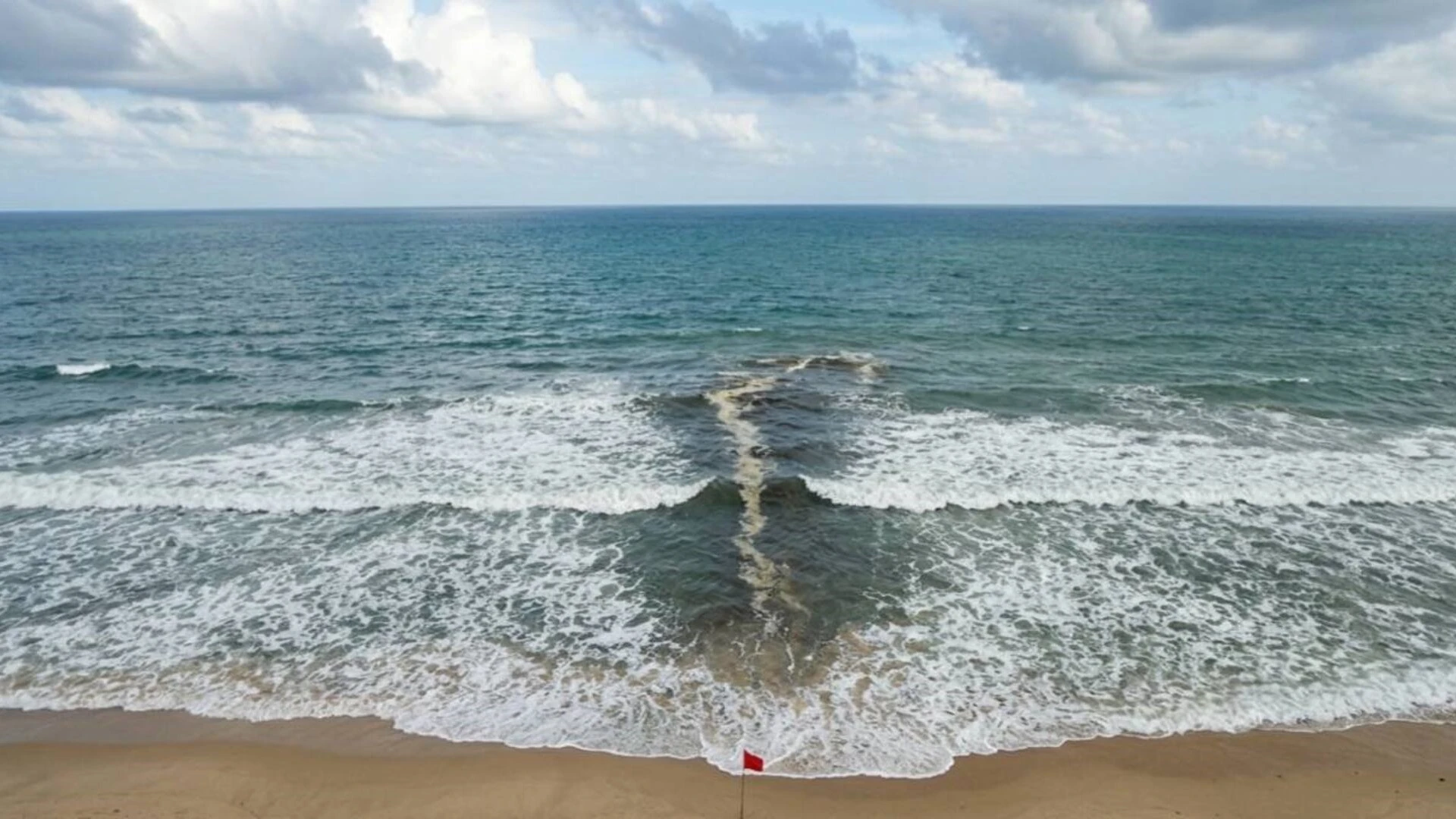
A rip current, or simply a «rip,» is a narrow, fast stream of water. It flows back from the shore into the open sea. The water that waves push toward the beach has to go somewhere. So it finds a «channel,» a gap between sandbars, and rushes back out like an underwater conveyor belt.
Why it kills
Here is the key point: a rip does not drag you underwater. Instead, it carries you along the surface, away from the shore. Sometimes it pulls you out for hundreds of metres. So people die not from the current itself, but from panic and exhaustion. For example, a swimmer sees they are being swept out and starts thrashing toward shore. As a result, their strength runs out in minutes, and even a strong swimmer goes under. Lifeguards repeat it constantly: a rip hits hardest in the first five minutes. In other words, it is panic, not the water, that proves fatal.
Before you even get in, you can spot a rip from the shore. Here are the main signs:
- A band of different water. Often a rip looks like a strip of darker, murkier or foamy water. It cuts through the line of waves and runs out to sea.
- A gap in the waves. Where the current runs, the waves seem to die down. So you see a calm «corridor» against the surf. However, that is deceptive calm, not a safe spot.
- Debris and foam moving out. If seaweed, foam or churned-up sand steadily moves offshore toward one point, that is the channel.
A rip is usually under 30 metres wide. That fact is both bad and good. It is bad because the rip is easy to miss. Yet it is also good, because you can escape a narrow channel by going sideways.
The most dangerous beaches in Phuket in the rainy season
All the west-coast beaches are dangerous. Still, the incident statistics vary. So these are the ones to treat with extra caution during the monsoon.
Karon. This is the island’s worst beach for rip currents. It is a long, straight stretch of sand with a sharp drop-off. In the rainy season, therefore, lifeguards count up to 18 rips along it at once. It is also beautiful and popular, and that is exactly the problem. People get in the water along its whole length, often far from the lifeguard towers.
Kata, especially the southern Kata Yai end. This is the second worst beach for currents. The southern edge of Kata Yai is a traditional spot where a rip forms every season. The northern part is a little calmer. Even so, you should go by the flags on the day.
Patong. This is Phuket’s busiest beach. As a result, the sheer number of swimmers pushes the incident count up by itself. Red flags go up regularly in the monsoon. However, with the crowds and the bars nearby, they are often ignored.
Kamala and Nai Thon. These beaches are less hyped, but no less treacherous, with strong surf and currents. Moreover, lifeguard coverage here is patchier than at Karon or Patong.
The general rule is simple. The longer, straighter and more open a beach is, the higher the rip risk. And no beach can be counted as «yours» from a past visit, because currents shift from season to season.
The flag system: the one thing to watch
Every day, lifeguards in Phuket mark the beaches with flags. This is the most reliable guide there is, more reliable than any guidebook or review.
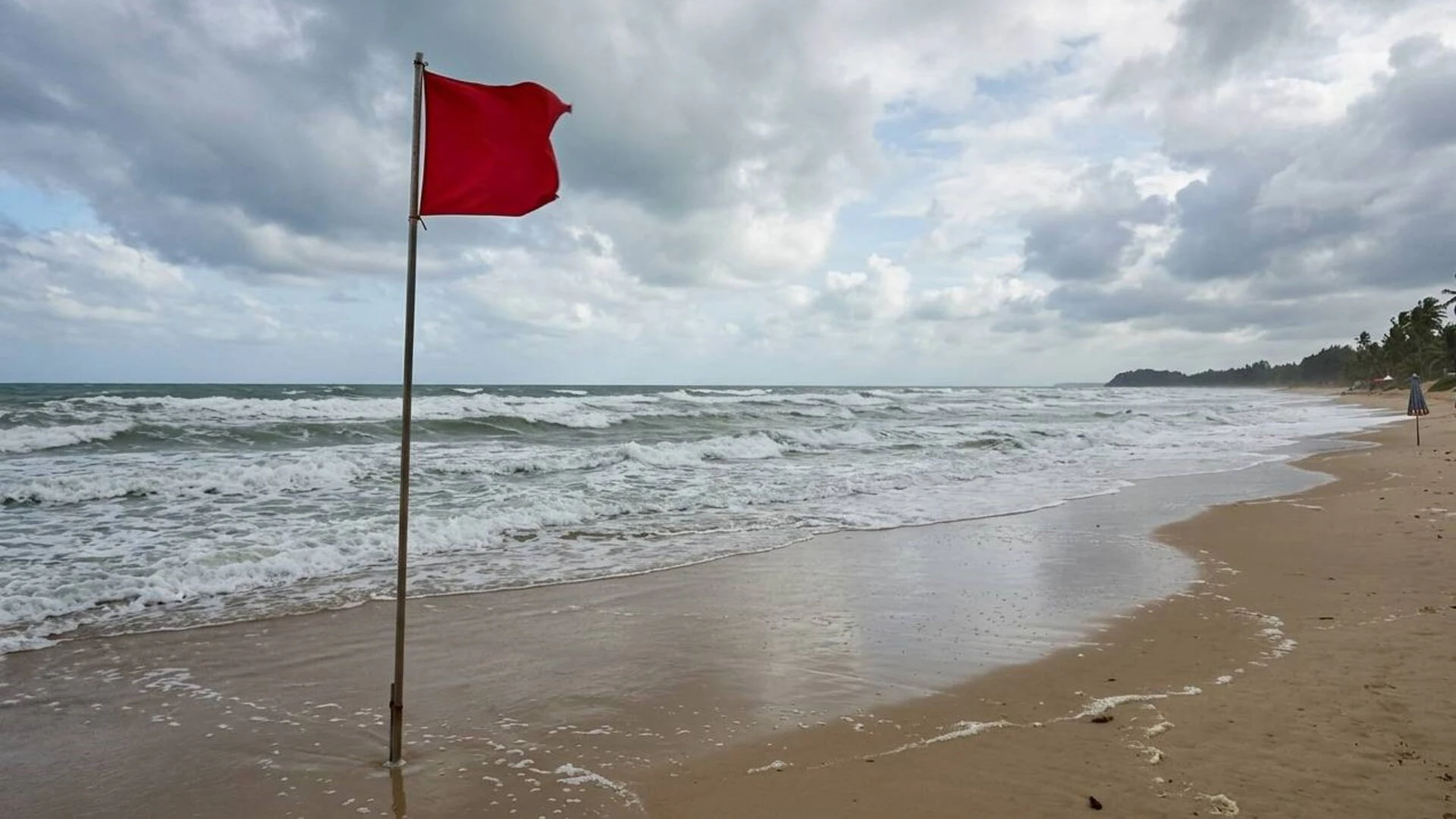
A red flag means swimming is forbidden. It is not «be careful,» but forbidden. It goes up where a current is running, or where the surf is too strong. A red flag applies even if the sea looks calm, because the lifeguards see what a tourist cannot. In fact, every season people who ignored a red flag die in Phuket. Lifeguards themselves are also injured, and sometimes killed, trying to pull them out.
Two red-and-yellow flags mark a safe swimming zone. In other words, the lifeguards are watching that stretch. So the rule is simple: swim only between those flags. That is the best way to avoid a rip in Phuket.
Sometimes there are no flags at all, and the beach is wild. In the rainy season, however, that is a reason not to swim. The absence of a red flag does not mean safety. Instead, it may just mean no one is watching.
What to do if you’re being pulled out to sea
Memorise this before your trip, because there will be no time to think in the current. So, if you feel yourself being carried away from the shore:
- Do not panic, and do not swim against the current. This is the main mistake, and the main cause of death. You cannot fight a rip head-on, because it is stronger than any person.
- Float and conserve energy. Relax, lie on your back, and breathe. Then let the current carry you, because it usually weakens after 50–100 metres.
- Get out sideways. Once the current eases, swim parallel to the shore for 20–40 metres. Only then turn toward land, at an angle rather than straight into the waves.
- Call for help. If you cannot break free, raise one arm and shout. On a patrolled beach, a lifeguard will come for you.
Thailand’s single emergency number is 1669, for both medical and rescue calls. It is worth saving in your phone before you ever need it.
Basic rules that save lives
Beyond the flags and the rip technique, a few simple habits sharply cut the risk:
- Never swim alone, and do not go far from shore, especially in the rain.
- Stay out of the sea after drinking, because alcohol is a factor in many tragedies.
- Avoid night swims and deserted wild beaches with no lifeguards.
- Watch children closely, because a rip carries them off in an instant.
- Finally, do not overestimate yourself, since the monsoon sea is far stronger than it looks.
How to plan your swim and avoid the risk
The danger in the monsoon changes day to day. So you can actually use that to your advantage. Before heading to the beach, check the sea forecast, not just the rain. For example, the Thai Meteorological Department (TMD) issues Andaman Sea warnings with wave heights. A wave above 2 metres, or a thunderstorm note, is reason enough to stay out. Even quicker, the live webcams at Patong, Karon and Kata show whether it is stormy today.
The best time to swim is the morning, because downpours and storms tend to roll in after midday. After a heavy overnight storm, however, it is worth waiting, since the water will be murky and the currents strong. Finally, do not hesitate to ask a lifeguard or your hotel staff. Locals will tell you honestly where it is dangerous today.
Other rainy-season hazards people forget
Rip currents are the main risk of the monsoon. However, they are not the only one.
Poor visibility. Rain and surf stir up sand from the bottom. As a result, the water turns murky. It then becomes harder to see a drop-off, or your own child a couple of metres away. Lifeguards in their towers also struggle to spot swimmers.
Jellyfish. Currents and wind push jellyfish toward the shore more often, including painful stingers. So if there is a jellyfish warning, or stranded specimens on the sand, stay out of the water. For a sting, rinse the area with vinegar rather than fresh water, then call 1669.
Water sports. Several recent incidents in Phuket involved boats, parasailing and jet skis, rather than swimming. So if you take one of these, check the equipment and the operator’s reputation first. In a storm, skip it altogether.
Lightning. A strike over open water is deadly. Therefore, at the first rumble of thunder, get out of the sea and off the open beach.
Where it’s safe to swim — and what to do instead of the sea
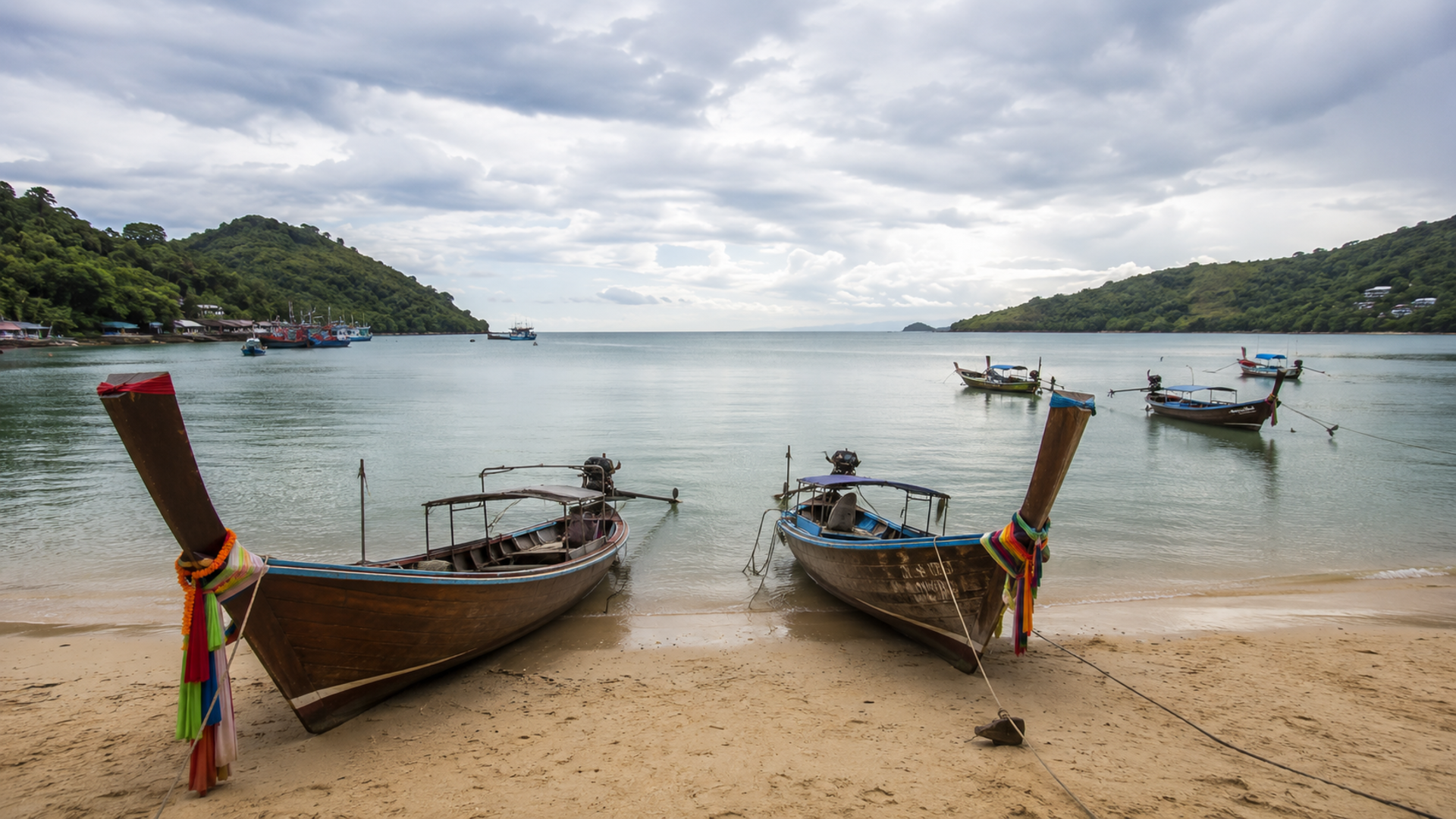
The rainy season does not mean your holiday is ruined. You just need to shift away from the open west-coast beaches.
Calmer beaches on the sheltered coast
The east and south coasts are sheltered from the monsoon. As a result, they usually stay calm even in the low season. Good options include the Panwa area, Ao Yon bay, and Rawai beach, which is shallow but free of dangerous waves. Among the west-coast beaches, Nai Harn is relatively safer, thanks to a gentle entry and permanent lifeguards. The northern ends of Bang Tao and Surin are calmer too. Even there, however, the flags on the day have the final word.
Of course, a hotel pool is also a perfectly sensible choice on days when the sea is rough.
What to do instead of swimming
The rainy season is also the best time to see Phuket from land, and on the calm water of sheltered bays. For example, instead of risking a swim, you can take a sightseeing tour of the island and its temples (land tours in Thailand). Alternatively, you can take a boat trip into bays protected from the monsoon, such as the scenic Phang Nga Bay and James Bond Island, where the cliffs shield the water from the swell.
Here are a few options that work especially well in the rainy season, from sheltered bays to land routes:


Tisland Travel has worked in Phuket since 2010. So we can help you put together a rainy-season plan, whether that is a boat trip into a sheltered bay or a land route when the sea is rough.
Frequently asked questions
When is it dangerous to swim in Phuket?
From May to October — the southwest monsoon season. During these months, the west coast sees high waves and rip currents. As a result, most drowning deaths happen in the rainy season. So if a red flag is flying, stay out of the water, no matter how calm the sea looks.
Which Phuket beaches are the most dangerous in the rainy season?
The most rip currents are at Karon, with up to 18 rips in a season, and at the southern end of Kata Yai. Patong, Kamala and Nai Thon also see frequent incidents. All of them sit on the west coast, exposed to the Andaman Sea.
How do you spot a rip current from the shore?
First, look for a band of darker, murkier or foamy water cutting through the surf. Also watch for a calm gap among the waves, and for debris that steadily moves offshore. A rip is usually under 30 metres wide. It pulls you away from shore, not under the water.
What should you do if you get caught in a rip current?
First, do not panic, and do not swim against the current. Instead, stay calm and float. Let the current carry you 50–100 metres until it weakens. Then swim parallel to the beach for 20–40 metres to clear the channel, and head back at an angle. If you cannot break free, raise one arm and call for the lifeguards. Thailand’s emergency number is 1669.
Where can you swim safely in Phuket during the rainy season?
The calmest water is on the east and south coasts: the Panwa area, Ao Yon bay, and Rawai beach. Among the west-coast beaches, Nai Harn is relatively safer, along with the northern ends of Bang Tao and Surin. However, wherever you go, trust the lifeguard flags on the day rather than the beach’s name.
In short
In short, it is not specific «bad» beaches that are dangerous. Rather, it is the combination of an open west coast and the monsoon from May to October. The riskiest for currents are Karon and southern Kata, busy Patong, plus Kamala and Nai Thon. So always watch the flags: red means stay out, and you swim only between the red-and-yellow pair. If you are caught in a rip, do not fight it. Instead, float, get out sideways, and wave to the lifeguards. Finally, when the sea is rough, choose a sheltered east-coast bay, a pool, or a land tour. That way, the rainy season stays a time of discounts and empty beaches, rather than a cause for tragedy.ause for tragedy.