













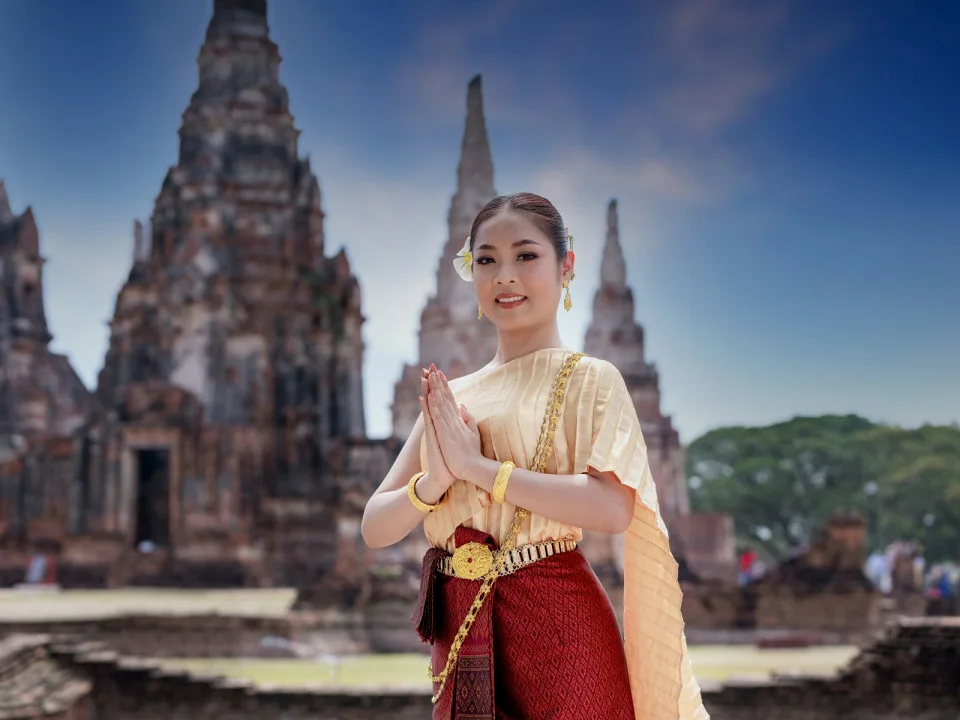
This country has long been one of the most popular destinations for tourists from all over the world. White sandy beaches, jungles, Buddhist temples, and a warm climate create a feeling of effortless relaxation. However, behind the outward ease and the smiles of the Thai people lies a whole system of social rules. Locals place great importance on respect, traditions, and harmony.
A lack of awareness of basic norms can lead to awkward situations or even conflicts. Therefore, understanding Thai etiquette not only helps you show respect for the culture but also makes your trip more comfortable and safe.
10 Rules of Thai Etiquette That Guidebooks Don’t Mention
Thai etiquette includes habits, details, and everyday norms that tourists are often not told about. Even experienced travelers sometimes encounter unexpected restrictions.
Here are the key rules you should know:
- Never touch a person’s head. In Thai culture, the head is considered sacred.
- Do not point with your foot or place it on objects of higher importance. The foot is the lowest part of the body and a symbol of disrespect.
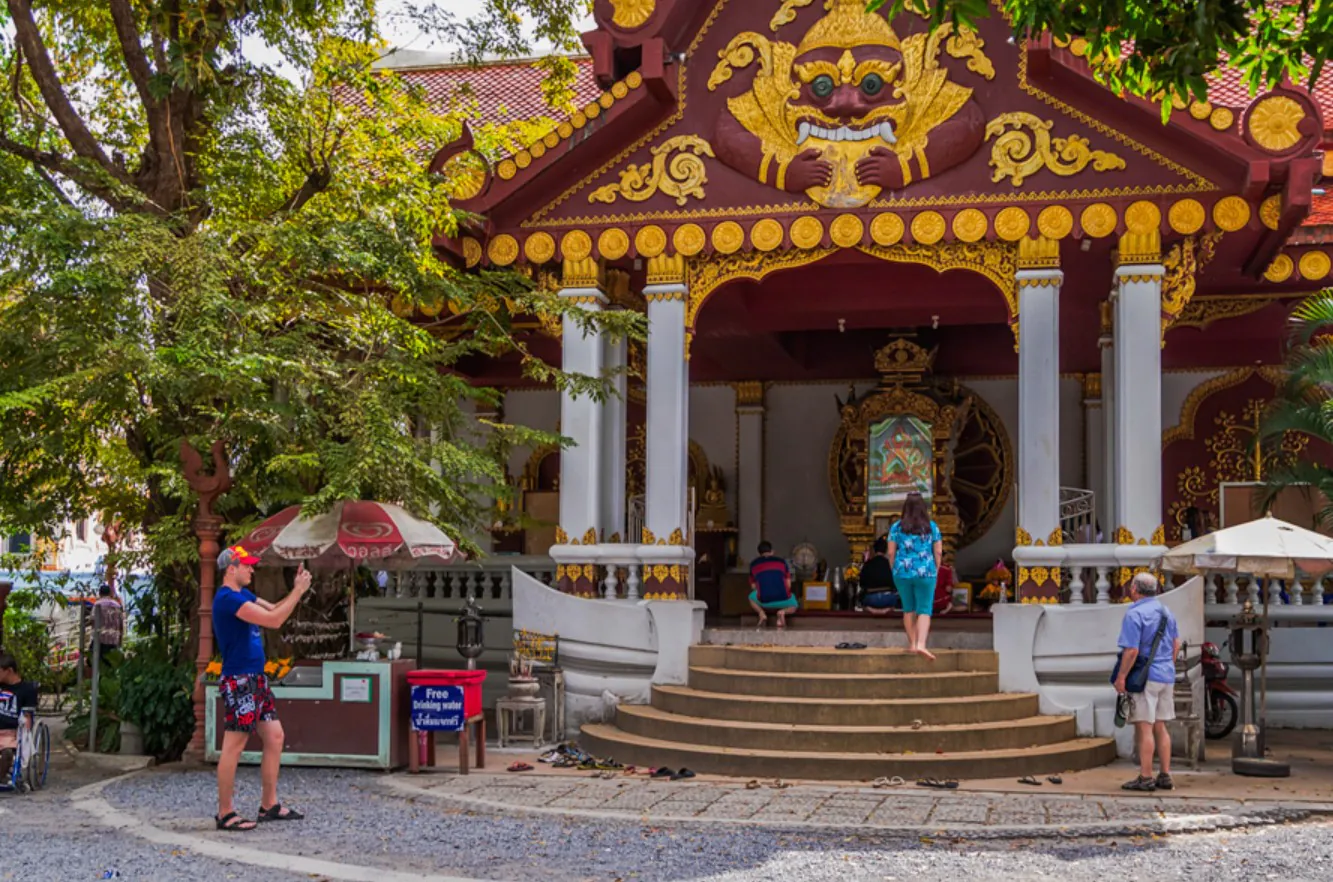
- Take off your shoes when entering a home or a temple. This is a basic sign of respect.
- Control your emotions in public. Loud laughter or anger is seen as a loss of face.
- Do not hug or kiss Thai people in public. Locals value personal space.
- Do not touch monks or sacred objects. This is especially important for women.
- Respect symbols of the king and national flags. Any carelessness may be considered a violation of the law.
- Do not point at people or objects with your finger. Use your whole hand or elbow instead.
- Pay attention to your clothing in temples and palaces. Covered shoulders and knees are an essential part of the dress code.
- Do not photograph sacred rituals without permission. It is important to maintain silence and order in temples.
These rules may seem unusual, but they form the foundation of the country’s cultural norms. Even a small mistake can surprise locals and affect your overall experience.
Fact: Thais believe that showing respect to temples and monks strengthens a person’s karma and brings good luck
Why You Shouldn’t Touch Heads or Point with Your Feet: Unexpected Taboos
Many tourists are surprised by things that seem simple at first glance. Thais perceive the world through the lens of religious and social traditions.
The head is considered the most sacred part of the body. Even a light touch can be seen as an insult. This applies to both adults and children.
The feet are considered the lowest part of the body, so pointing at someone with your foot or placing it on a table is considered extremely rude.
Some tourists are surprised that it is not acceptable to sit with your feet up on a bench in a café or a temple. This is not about strictness, but about a cultural norm that Thais have followed for centuries.
When sitting in a temple, make sure your feet are not directed toward a Buddha statue or monks. In public transport and on the street, keep your feet positioned properly, this shows respect to those around you.
Even small details help create the impression of a thoughtful and culturally aware traveler, rather than just a visitor.
Rules That Surprise Tourists: How to Avoid Awkward Situations
In addition to body-related taboos, there are other aspects that tourists often only learn about on the spot. Thais value respect, patience, and gentleness.
Some behavioral features:
- The “wai” greeting: hands pressed together in front of the chest with a slight bow of the head. The older the person, the lower the bow should be.
- Do not speak directly to monks: it is more polite to observe or address your guide instead.
- Do not give alcohol to monks: this is prohibited by tradition.
- Do not cut in line or raise your voice: Thais avoid open conflict.
For tourists, these habits may feel unusual. However, following these rules makes your trip calm and enjoyable, without unpleasant incidents.
Guide’s tip: it’s best to review basic etiquette guidelines before your trip to Thailand so you can feel confident and comfortable in any situation.
Etiquette in temples and on the streets
Strict etiquette applies not only inside temples. In everyday life, Thais also pay attention to the following:
- Stand or sit calmly, especially in the presence of elders or monks.
- Avoid abrupt gestures, especially when taking photos.
- Do not touch other people’s personal belongings without permission.
- Do not publicly discuss religion, the king, or the government.
Even a simple walk through a Phuket market or visiting local attractions requires following basic norms. If you are traveling with children, explain in advance how to behave properly in a temple.
Thai etiquette as part of a unique culture
In Thailand, etiquette is not just a strict set of rules. Understanding proper behavior helps tourists better understand the country, feel its atmosphere, and communicate respectfully with locals.
The “Treasure Island” team is ready to help tourists with etiquette guidelines, route advice, and tour organization. We will explain how to behave in temples, on the streets, and during island trips so your vacation is safe and comfortable.
Book a tour, get expert advice, and discover Thailand through the lens of local culture with us!