



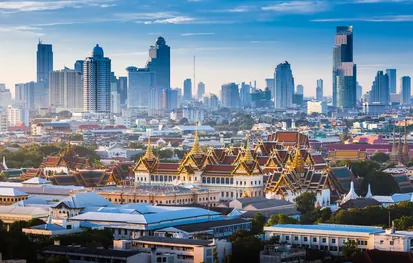





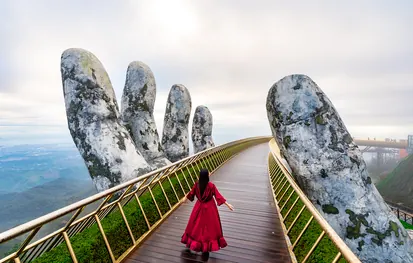


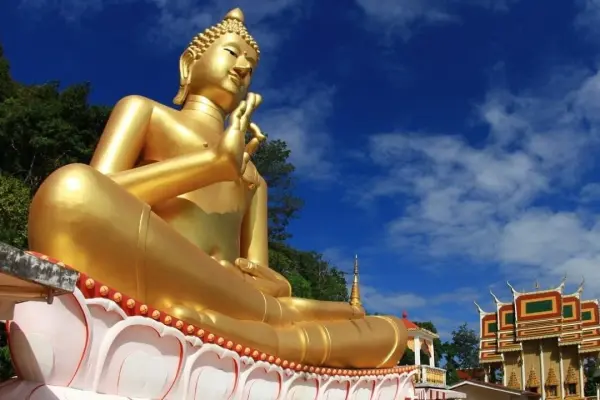
Thailand is often called the Land of Smiles, but behind this friendliness lies a deep spiritual tradition. Thai Buddhism is an essential part of local life, and temples here are not just tourist attractions but living centers of faith and culture. Even if you came to Phuket for the sea and beaches, visiting a Buddhist temple will give you a deeper understanding of Thai culture, religion, and etiquette.
For tourists, it’s important to remember: a temple is not a show, but a place of prayer and meditation. Proper behavior not only shows respect for local traditions but also makes your visit more meaningful and safe.
Basics of Thai Buddhism: What Beginners Should Know Before Visiting a Temple
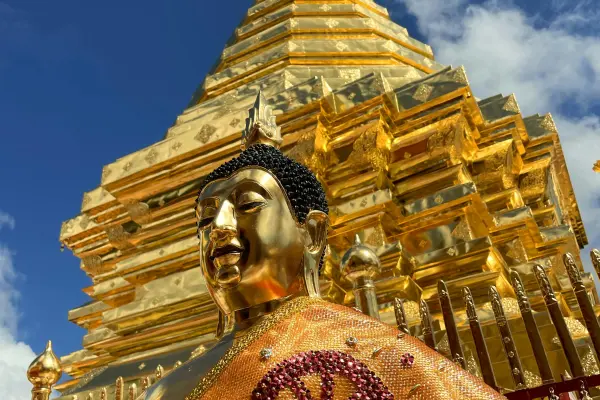
Thai Buddhism is expressed in people’s daily lives and spiritual practices. It permeates every aspect of the country’s way of life and culture. The core principles include:
- Compassion and respect for all living beings.
- Following moral rules (not killing, not stealing, avoiding lies).
- Meditation and self-awareness as a path to harmony with oneself and the surrounding world.
One of the key features of Thai Buddhism is its close connection to everyday life. Monks receive alms daily, and locals visit temples not only on holidays but also on ordinary days.
It is important to understand that visiting temples is not a tour in the usual sense. It is an opportunity to experience the atmosphere of religion, observe how Thai people live according to their traditions, and learn about the history of wats (Buddhist temples).
Fact: There are more than 40,000 temples in Thailand, each with its own unique rituals and architectural features.
Temple Etiquette: How to Sit, Dress, and Greet Monks Properly

When you visit a temple, every gesture matters. Thais believe that respect for monks and the temple reflects your attitude toward religion as a whole.
Basic guidelines:
- Clothing: shoulders and knees must be covered.
- Removing shoes: when entering a temple, always leave your shoes at the entrance.
- Greeting monks: hands pressed together in front of the chest with a slight bow of the head — this traditional gesture of respect is called a “wai.”
Movement inside the temple also has its nuances. For example, you should not sit higher than seated monks and never point your feet toward them.
What you can and cannot do
To ensure your visit is pleasant and safe, remember a few simple rules.
Do not:
- touch a person’s head, even a child’s;
- point your feet toward statues or people;
- speak loudly or laugh in prayer halls;
- take photos of rituals without permission;
- touch relics or monks’ belongings.
You may and are encouraged to:
- listen to your guide, especially if you are on a tour with a professional;
- bring water and light snacks with you, but do not eat inside the temple;
- quietly observe monks during meditation;
- ask your guide questions about religious customs;
- use respectful “wai” gestures when greeting monks.
These simple rules will help you feel comfortable and avoid awkward situations.
Guide’s tip: it’s best to visit in the morning, when the temple is less crowded, you can calmly explore the interior and take photos without the rush.
Temples of Thailand: rules for men and women
Different temples may have their own specific rules. Men are not allowed to touch monks or sit higher than them, while women are forbidden from having physical contact with monks. When visiting Wat Phra That, Wat Chalong, and other temples in Phuket, it is important to remember that the dress code is strictly enforced, especially during festivals. It is often a good idea to bring a light scarf or a pareo to cover your shoulders and knees.
Practical tips: women are advised to wear long skirts and keep their shoulders covered, avoiding bright or flashy clothing. Men should wear trousers and a T-shirt with sleeves, preferably looking neat and tidy. As for footwear, it’s best to choose comfortable sandals that are easy to take off.
These details create the right impression and allow you to fully immerse yourself in the atmosphere of Thai Buddhism.
How to behave during ceremonies and rituals
If you are lucky enough to witness the morning alms-giving to monks, it is important to behave calmly. Tourists are allowed to observe and take photos, but should not interfere with the process.
- Do not get too close.
- Do not take food from monks’ hands.
- Do not speak loudly or show irritation.
Many guides note that it is important for tourists to remember that even a small gesture of respect reflects an understanding of the country’s culture and traditions.
Visiting temples in Phuket and throughout Thailand is not just a cultural excursion. It is an opportunity to experience Thai life, traditions, and spirituality. Knowing the rules of Thai Buddhism, the dress code, and proper behavior makes your trip both safe and enriching.
Experts from “Treasure Island” are always ready to help you choose temple tours, give route advice, and explain all the nuances of behavior in Buddhist places. Book a tour with a professional guide to gain a truly immersive experience and understand what Thai Buddhism means in practice.