










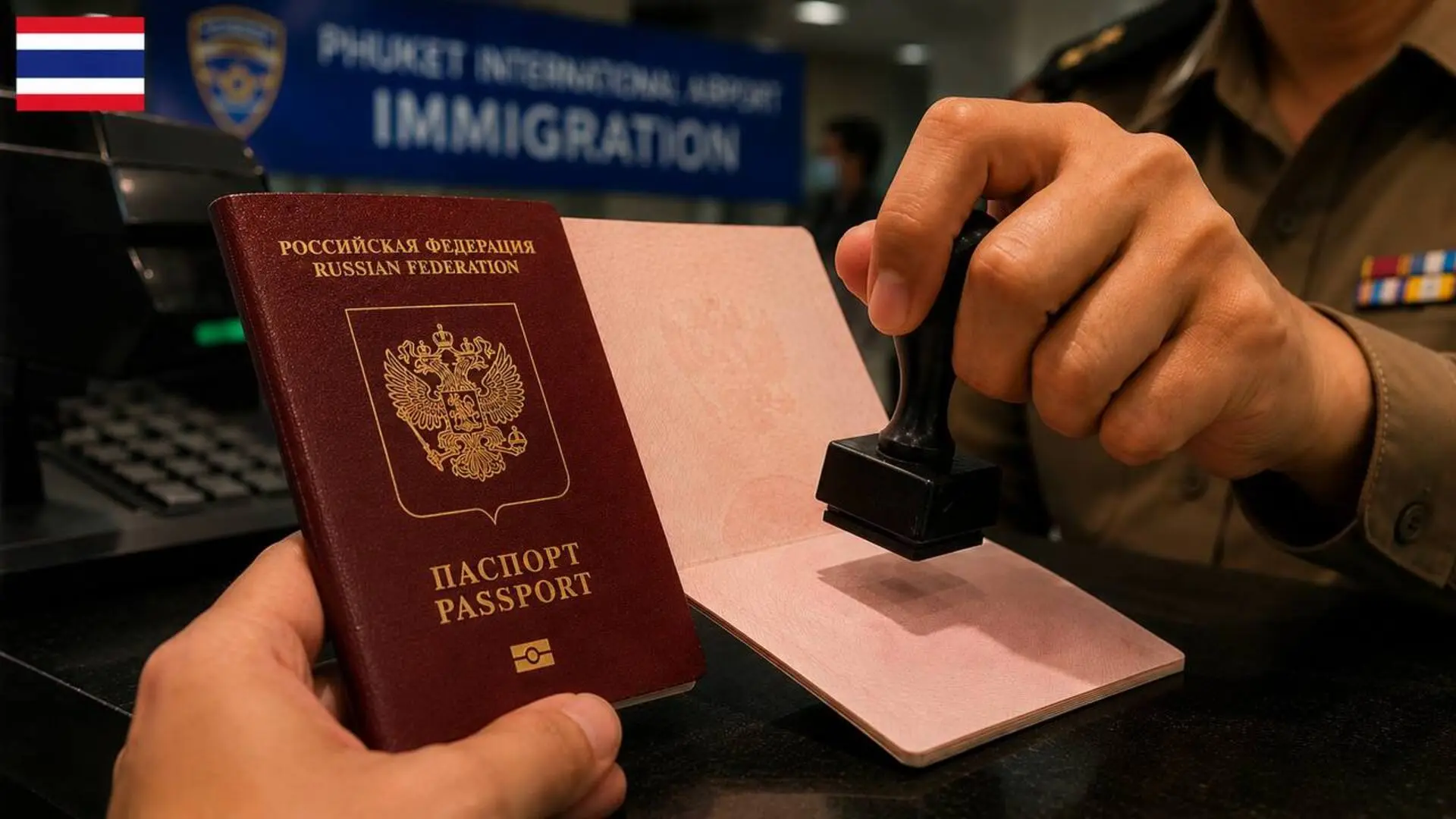
Caption: On 19 May 2026, the Thai Cabinet scrapped the 60-day visa-free scheme and restored the previous 30-day rule for Russians and citizens of 90+ countries.
The short version. Thailand has cut visa-free stay from 60 to 30 days as of 19 May 2026. However, the change will be invisible to most holidaymakers. After all, around 90% of foreign tourists already leave Thailand within 30 days. In other words, standard package holidays are unaffected. The new rules apply to nationals of more than 90 countries. Moreover, the visa-free system reverts to a tiered model. The rules take effect 15 days after publication in Thailand’s Royal Gazette. Until then, the 60-day exemption remains in force.
What the Cabinet decided
Tourism and Sports Minister Surasak Phancharoenworakul announced the decision. Specifically, he spoke right after the cabinet meeting at Government House. In his own words: «The Cabinet has decided to cancel the 60-day visa-free regime for more than 90 countries and revert to the previous criteria.»
What is being cancelled:
- The 60-day visa-free entry introduced in July 2024 to stimulate post-pandemic tourism recovery
- The expanded list of 93 eligible countries under that scheme
- Multiple-entry privileges that came with the expanded system
What replaces it:
- A tiered framework — up to 30 days visa-free for most nationalities, just 15 days for some
- A cap of two visa-free land-border entries per calendar year for the 30-day tier
- Country-by-country review by Thailand’s Visa Policy Committee, balancing security and economic interests
Why now
Thai officials say the 60-day window was being exploited. For example, it enabled unauthorised foreign labour and grey-market businesses such as unlicensed hotels and language schools. In addition, online scam operations used the same loophole. Government spokesperson Rachada Dhanadirek told reporters: «The current scheme has allowed some people to exploit it.» Moreover, she noted that national security has taken priority over a more permissive entry regime.
Foreign Minister Sihasak Phuangketkeow stressed that the measure does not target any specific nationality. Rather, it targets individuals abusing the visa system to evade law enforcement. Furthermore, the same logic underpins the policy itself. After all, 30 days covers the overwhelming majority of leisure trips. Meanwhile, longer use cases already require a proper visa. These include digital-nomad stays, language schools, and slow travel — through a Tourist TR, ED, or the long-stay DTV.
What this means for foreign travellers
For most leisure visitors heading to Phuket, the practical impact is minimal:
- Standard 7–14 day holidays: nothing changes.
- Two- to three-week trips: still fit comfortably inside the new 30-day window.
- Stays of 31–60 days that previously relied on the visa-free extension: you’ll need a proper Tourist Visa (TR — 60 days) or the new long-stay DTV (Destination Thailand Visa).
- Land-border visa runs: now capped at two per calendar year instead of being effectively unlimited.
The 15-day tier will apply only to certain nationalities. Specifically, the Visa Policy Committee will decide country-by-country. In the meantime, most current 60-day countries are expected to move to the 30-day tier.
What we’re hearing from travellers
Since late April, the policy debate has been in the news. During that time, our team has fielded dozens of questions. Most have come from travellers with bookings for October and November. However, most of the worry is misplaced. After all, a 7–14 day holiday fits inside any of the proposed tiers. By contrast, the real headaches sit with the 45–60-day crowd. These are slow travellers and people combining beach time with remote work. For that group, we now advise filing a DTV or Tourist Visa (TR). Specifically, file at a Thai consulate before the Royal Gazette publication. Otherwise, you may pay a premium for rush processing.
Rules that haven’t changed
Two unrelated rules still apply to every arrival. Firstly, your passport must be valid for at least six months on entry. Secondly, every foreign traveller must submit the TDAC (Thailand Digital Arrival Card). This has been mandatory since 1 May 2026, within 72 hours before departure. Importantly, both rules are independent of the visa-free duration.
The joke writing itself
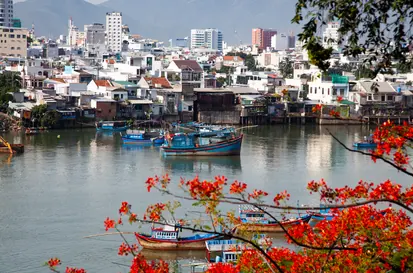
Within hours of the announcement, a quip started circulating on travel Telegram. The line captured the mood neatly: «No one has done more for Vietnamese tourism than the government of Thailand.» Indeed, the sarcasm is earned. Vietnam, by contrast, has moved in the opposite direction for years. Specifically, it keeps expanding its visa-free list and lengthening permitted stays. As a result, long-haul travellers now have a clear alternative next door. Multi-month Southeast Asia trips no longer need to start in Bangkok. If you’d also like to see Vietnam, we run that destination too. Travellers can book it as a separate trip or a second leg after Phuket.
When does it take effect?
The new visa-free terms will take effect 15 calendar days after publication in Thailand’s Royal Gazette. However, as of 19 May 2026 that publication has not yet appeared. Therefore, the 60-day exemption is officially still in force. For example, the Gazette may publish in late May. In that case, the new rules would kick in around mid-June. Meanwhile, an exact effective date will be announced separately.
If you are already in Thailand under a 60-day visa-free stamp, the stamp remains valid. Specifically, it lasts until the date written in your passport at entry. Importantly, the new rule is not retroactive.
Frequently asked questions
Will the new rules affect a holiday I’ve already booked?
No. The change only takes effect 15 days after publication in Thailand’s Royal Gazette. Moreover, it applies only to entries made after that effective date. Stamps issued before then remain valid. Specifically, they last through the date written in your passport at entry.
I’m currently in Thailand on a 60-day visa-free stamp — will I be asked to leave earlier?
No. The new rule is not retroactive. Therefore, your authorised stay is determined by the stamp in your passport on entry. You may remain until the date printed on it.
Which countries will fall into the 15-day tier instead of 30?
Thailand’s Visa Policy Committee will assess each country individually. Specifically, it will weigh security and economic considerations. However, the list of countries assigned to the 15-day tier has not yet been published. In the meantime, most current 60-day countries are likely to land in the 30-day tier.
How can I legally stay in Thailand longer than 30 days?
Through a visa. Specifically, a Tourist Visa (TR) grants 60 days. Additionally, you can extend it by 30 days at any immigration office. Alternatively, the long-stay DTV (Destination Thailand Visa) offers up to 180 days per entry. Moreover, it has a 5-year validity. The DTV is intended for remote workers and visitors on cultural or sports programmes.
When exactly do the new rules take effect?
No exact date yet. First, the Cabinet decision must be published in Thailand’s Royal Gazette. Then the new rules take effect 15 calendar days after publication. Until that point, the 60-day visa-free scheme remains officially in force.
What to do if you’re planning a Phuket trip
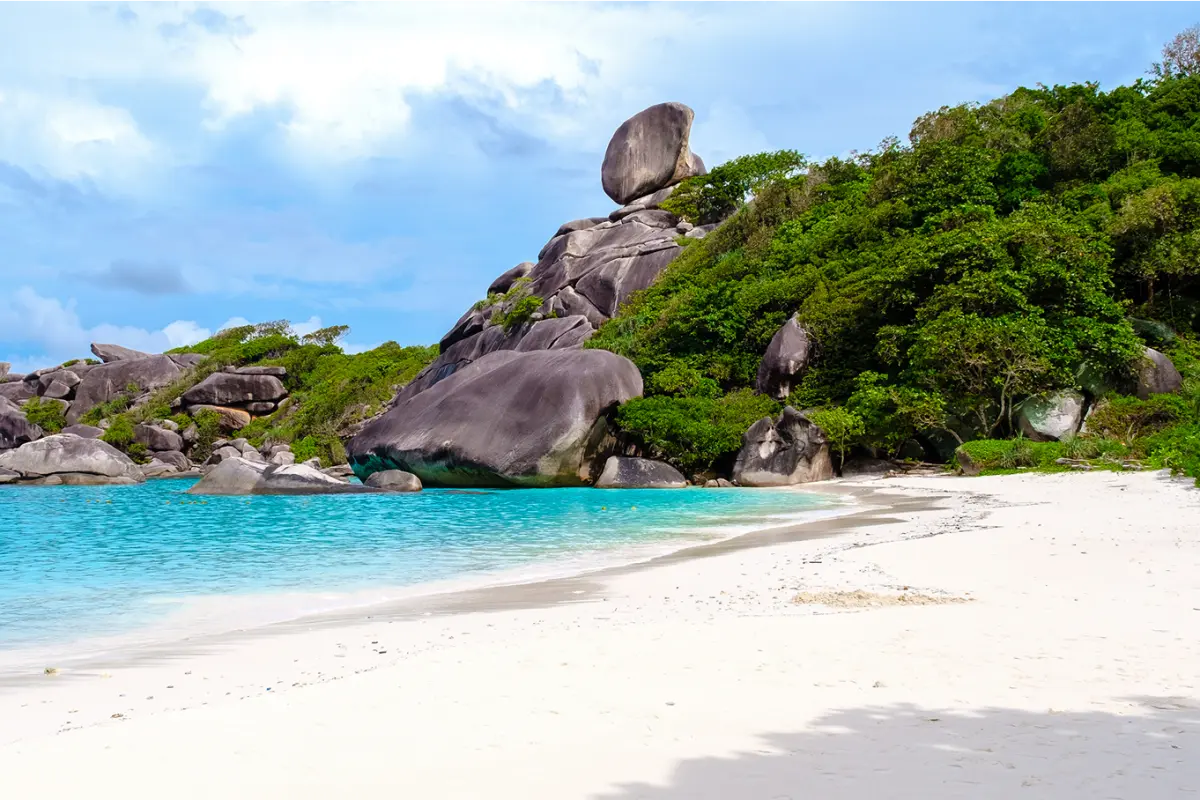
If you’re booking Phuket for summer or autumn 2026, there is no reason to rush. Indeed, thirty days is more than enough. In particular, you can combine beach time with the major day trips. For example, in a single visit you can comfortably see the Similan Islands and Phi Phi Islands. Additionally, you can fit Phang Nga Bay with James Bond Island. Finally, the Cheow Lan Lake area in Khao Sok National Park is also doable.
If you are already in Thailand on a 60-day stamp, it remains valid. Specifically, it lasts until the date in your passport at entry. Importantly, the new rule is not retroactive.
From what we’ve seen, the trickiest cases aren’t the wintering crowd. After all, they already hold visas. Instead, the harder cases are «half-winterers» staying 35–55 days. These travellers got used to the 60-day window in 2024–2025. Now they must choose between trimming the trip or applying for a Tourist Visa. If such a trip is planned for autumn or winter 2026, decide soon. Specifically, decide before the Royal Gazette publication. Otherwise, you’ll be paying a premium for rush visa processing.
For longer stays, plan ahead. A Tourist Visa (TR, 60 days) or a DTV can be processed at a Thai consulate. Specifically, processing takes a few working days. Importantly, both remain available and were not affected by today’s decision.
Tisland Travel monitors Thailand’s entry-rule changes and updates our blog whenever a meaningful decision is made.
Sources (retrieved 19 May 2026):
- Khaosod English — «It’s official: Thailand ends 60-day visa-free stays for 90 countries», 19 May 2026 — primary source with direct quote from the Tourism Minister.
- Al Jazeera (AFP + Reuters) — «Thailand to slash tourist visa-free stays», 19 May 2026 — detail on the tiered system and land-border cap.
- RIA Novosti — «Thailand cuts visa-free stay for foreigners to 30 days», 19 May 2026 — confirmation that Russia is on the affected list.
- VisasNews — «Thailand: Cabinet approves end of 60-day visa-free entry for 93 countries», 19 May 2026 — independent visa-news aggregator confirmation.