








In Thailand, modern life exists alongside ancient customs and mystical beliefs, creating a unique atmosphere. On the streets of Bangkok, in quiet northern villages, or on the beaches of Phuket, you can notice small spirit houses, amulets on motorbikes, or bright ribbons tied to trees. For Thais, these are not just decorations, they are a way of showing respect to the unseen world.
Many tourists are surprised when they first encounter these beliefs, but in a country where Buddhism coexists with folklore and local traditions, belief in spirits and the observance of superstitions are part of everyday life.
The Spirit World of Thailand: What Thais Believe and How They Appease Invisible Beings
Thais believe in a personal spirit that accompanies each person from birth. This spirit can bring good luck or, if offended, cause trouble. It is also believed that invisible beings exist not only within people but also around them in homes, trees, rivers, and even old objects.
How Thais interact with spirits:
- Offerings and small altars. On almost every street corner, you can see miniature spirit houses decorated with flowers, fruits, and drinks. These are a sign of respect and a request for protection.
- Amulets and bracelets. Many Thais wear special talismans for protection, health, and good fortune.
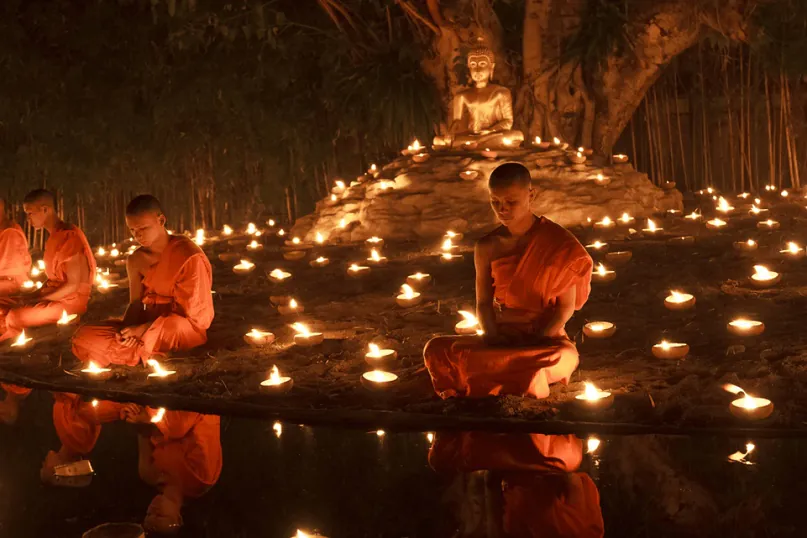
- Rituals and festivals. On certain dates, ceremonies are held to appease spirits of the forest, water, or home.
It is important to understand that spirits in Thai belief are not frightening beings. They are considered part of the world’s harmony, and observing rituals helps people live in balance with nature and with others.
Spirit Houses, Amulets, and Offerings: Everyday Superstitions of Locals
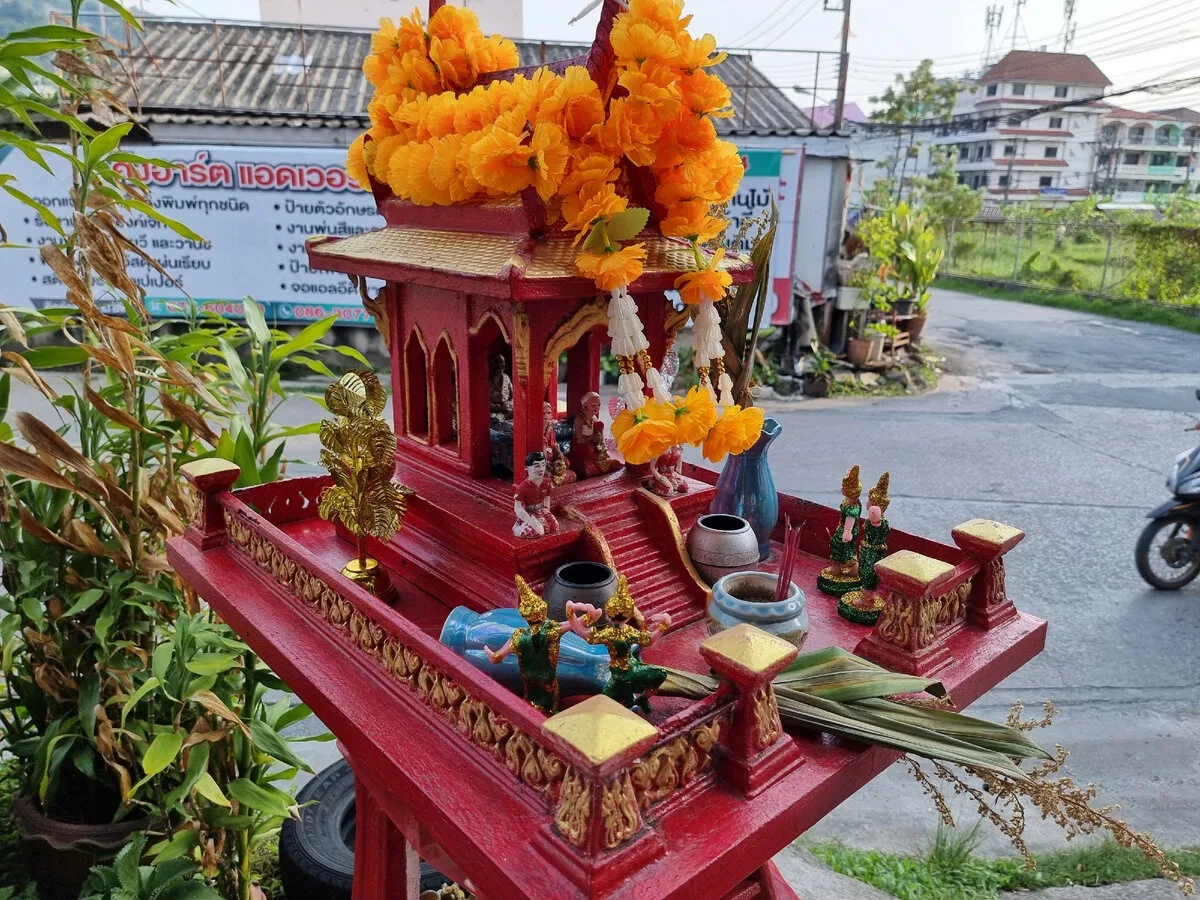
Spirit houses (san phra phum) can be seen at almost every home, restaurant, or office. These are usually small, colorful structures decorated with spirit figurines, flowers, food, and drinks. Thais believe that spirits protect the home, the health of its residents, and the business.
Everyday superstitions of Thais:
- Do not move a spirit house without a blessing, as this is believed to bring bad luck.
- Do not ignore morning or evening rituals, Thais often leave offerings at dawn to appease the spirits.
- Do not sit on the threshold of a house; the spirits of that place may be offended, which could lead to problems in life or health.
Legend: It is said that in ancient times, a monk from Chiang Mai saved a village from a snake invasion. He placed small spirit houses near every home, and the snakes stopped troubling the residents. Today, these houses are a common part of Thai culture.
Locals also believe in powerful amulets for travel and protection from evil spirits. Tourists are often surprised to see Buddha figurines, animals, and various symbolic items sold in every market. All of them are meant for protection, not just decoration.
Fact: According to surveys, more than 70% of Thai people regularly make offerings to spirits, even if they actively practice Buddhism. This shows how deeply superstitions are rooted in everyday life.
Legends and folklore
Thai folklore is full of stories about ghosts and nature spirits. For example, people are careful not to disturb the forest spirit Phra Lumphuang, as doing so may result in illness or misfortune. In the Andaman Sea islands, there are stories about the sea spirit Nang Thang, who is said to protect fishermen and tourists but becomes angry with those who ignore proper behavior near the water.
Thai superstitions are not only about fear. They help people feel connected to the surrounding world, respect nature, and maintain harmony within families and society.
How Tourists Should Approach Local Beliefs to Avoid Offending Thais
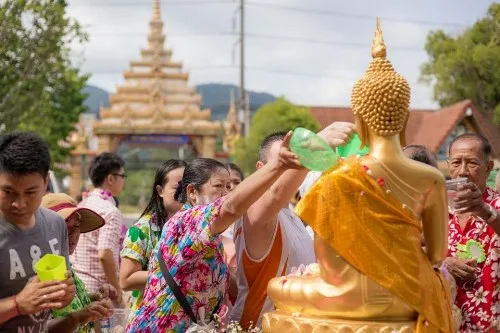
For travelers, it is important to understand that Thai etiquette and belief in spirits are not just superstitions. They are part of the culture and everyday life, so showing respect helps build trust with locals.
Practical tips for tourists:
- Do not touch or move spirit houses.
- If you want to take photos near an altar, first make sure it is allowed.
- Do not leave trash near sacred places or trees with ribbons.
- Respect amulets and do not treat them as souvenirs without the owner’s consent.
- Try to observe rituals calmly without interfering.
Even simply following these rules shows respect for the country and its culture. A traveler who understands the meaning of traditions gains a deeper impression of the trip and often notices Thai life in all its richness.
Quick tips for travelers:
- Bring a small notebook or camera to record your observations of local customs.
- Try to visit villages and temples with a guide who can explain local beliefs and superstitions.
- Learn about the concept of a personal spirit in Thai culture, this helps explain why offerings are made on certain days.
- Pay attention to details: the color of ribbons, the direction of figurines, and the placement of amulets.
These small details will help you see the country through the eyes of a local and avoid accidental offense.
In Thailand, belief in spirits and the observance of superstitions are an integral part of local culture and daily life. These traditions help Thais maintain harmony, respect for nature, and inner balance.
For tourists, it is important to remember: the invisible world in Thailand is real for locals and deserves respect. The “Treasure Island” team will help organize tours so you can experience local traditions, explore the culture, and safely immerse yourself in the atmosphere of the country.