













If you are staying in Thailand longer than the standard permitted period, sooner or later the question arises of how to extend your stay legally and without unnecessary stress. That is why travelers often hear two similar terms: border run and visa run. They sound almost the same, but in practice they are different procedures with different purposes.
This question appears especially often during the high season, when tourists stay for the winter in Phuket or come to Thailand for several months. To avoid unpleasant situations at the border, it is important to understand in advance what a border run is, what a visa run means, and which option is suitable for you.
Let’s break it down in simple terms, without complicated legal language.
Why Tourists Do Border Runs and Visa Runs
Thailand is quite welcoming to tourists, but entry rules and permitted stay periods are still strictly controlled. When the validity of a visa-free entry stamp is about to expire, travelers usually have several options: extend their stay at an immigration office, apply for a visa, or leave the country.
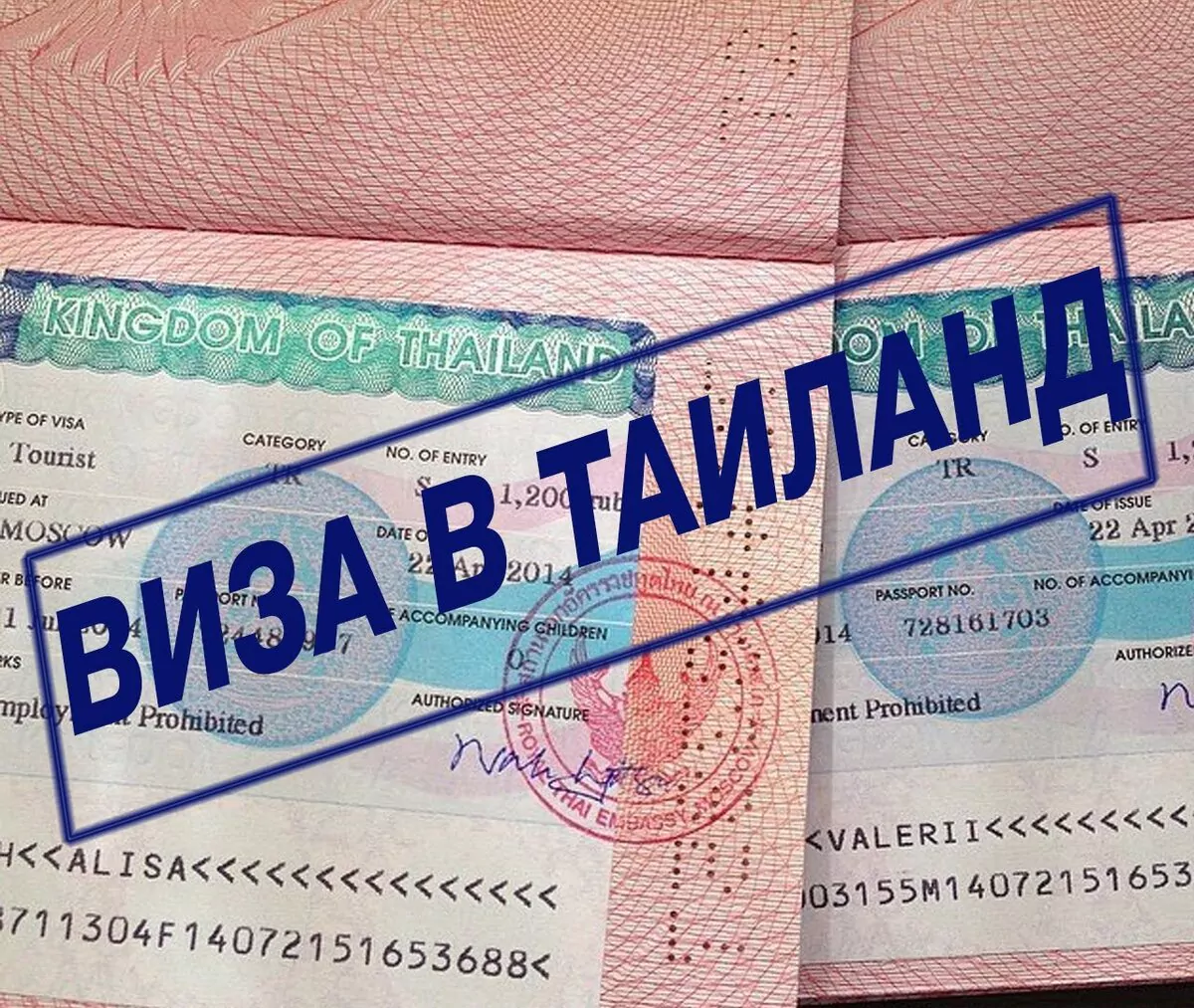
Most often, Border Run or Visa Run options are chosen by people who:
- live in Thailand seasonally (for example from November to March)
- work remotely and stay longer than the standard tourist period
- arrived for a vacation and decided to stay longer
- do not want to apply for complex visas in advance
- want to quickly receive a new permitted stay period
It is important to understand that these methods are not considered cheating the system. They are legal options used by thousands of tourists, including Russian travelers. However, they must be done correctly, taking into account current rules and document requirements.
Border Run: Leaving and Returning to Extend Visa-Free Stay

A Border Run is a short trip to a neighboring country where you leave Thailand and immediately return in order to receive a new entry stamp.
In simple terms, you cross the border, spend a minimal amount of time in the neighboring country (sometimes as little as 30 minutes), and then come back. A border run is usually done by travelers who are in Thailand under a visa-free entry stamp and want to receive a new permitted stay period.
Most commonly, border runs from Thailand are done through Cambodia, Laos, or Malaysia. For tourists living in Pattaya, the Cambodia border is one of the most popular routes. Travelers staying in Phuket sometimes choose trips through Malaysia.
In practice, this is one of the fastest ways to extend your stay if you do not have time to apply for a visa in advance. According to current rules, border runs can usually be done only twice after entering Thailand, so it is important to keep this in mind if you plan to extend your stay.
Important Note
A border run does not guarantee that you will always receive a new entry stamp. If you do these trips too frequently, an immigration officer may ask additional questions or even refuse entry. For this reason, border runs should be seen as a temporary solution, not an endless strategy.
Visa Run: Traveling to Apply for a New Visa in Another Country

A Visa Run is a different process. The goal is not simply to receive a new entry stamp at the border but to obtain a new visa at a Thai consulate in another country, such as Laos, Cambodia, or Malaysia.
This is why the phrase «visa run in Thailand» is most often used by people planning a long stay and who want to legally extend their stay for a longer period.
Simply put, a visa run is a trip where you actually obtain a new visa document, rather than just renewing your entry stamp.
How a Visa Run Works
- travel to a neighboring country
- submit documents at a Thai consulate
- wait for the decision (usually 1–3 days)
- receive the visa
- return to Thailand with the new visa
That is why in 2026 the visa run option in Thailand remains relevant for those planning long stays, wintering in Thailand, or relocating for several months.
Who Visa Runs Are Suitable For
- travelers who want to stay in Thailand for several months
- tourists who have already used their visa-free entries
- people who want a more stable immigration status without frequent trips
- travelers applying for a tourist visa through a Thai consulate
A visa run usually requires more time and preparation, but it provides a more predictable length of stay. It is also important to consider the season, because queues at borders and consulates can increase during busy travel periods.
Visa Run vs Border Run: The Difference in Simple Terms
Confusion between these terms happens constantly. But the difference is actually very simple:
- Border Run — getting a new entry stamp.
- Visa Run — obtaining a new visa.
Here are the main differences:
| Parameter | Border Run | Visa Run |
| Need to visit a consulate | Does not require visiting a consulate | Includes applying for a visa through a consulate |
| Duration | A few hours or one day | Usually 2–4 days |
| Complexity | Simpler but higher risk of refusal if done frequently | More complex but provides a longer and more reliable stay |
Documents Usually Required for the Trip
The exact list depends on the country and visa type, but tourists should usually prepare several basic things.
Before the trip, check that you have:
- a passport valid for at least 6 months
- free pages in the passport for stamps
- a return ticket or booking (sometimes requested)
- proof of accommodation in Thailand
- cash or a bank statement if requested by the officer
For a visa run, additional documents may be required, such as photos, application forms, insurance, and other paperwork depending on the consulate.
Useful Tips Before Your Trip
To make the trip smooth and stress-free, it is best to prepare in advance. Even if this is your first border run, it is not complicated if you understand the process.
Here are some helpful tips:
- do not wait until the last day of your permitted stay
- check the latest entry rules and deadlines beforehand
- bring insurance and copies of your documents
- if you do border runs frequently, be prepared for questions
- carry some cash in case immigration officers request proof of funds
One more important point: if you are not sure which option is better for you, it is best to consult specialists. A mistake may cost both time and money.
What to Choose in 2026
In short, visa runs and border runs in Thailand solve the same problem but in different ways. In 2026 these options still work, but border requirements can change from time to time. That is why it is better to plan everything in advance and avoid making decisions at the last moment.
If you want to organize your trip calmly and without unnecessary risks, plan the route in advance and consult specialists who can help you choose the best option for your situation.
It is also important not to use random intermediaries, as there is always a risk of encountering scammers.
It is better to contact official organizations or specialized companies that work with visas, including student visas. They can explain in detail how to organize a border run or visa run safely and correctly, helping you avoid possible complications and unpleasant situations at the border.