




Planning your trip to Phuket? These essential Phuket travel tips cover everything from language and currency to temples and massages. Whether it’s your first visit or you’re returning, this guide will help you navigate the island like a pro.
1. What language is spoken in Phuket?
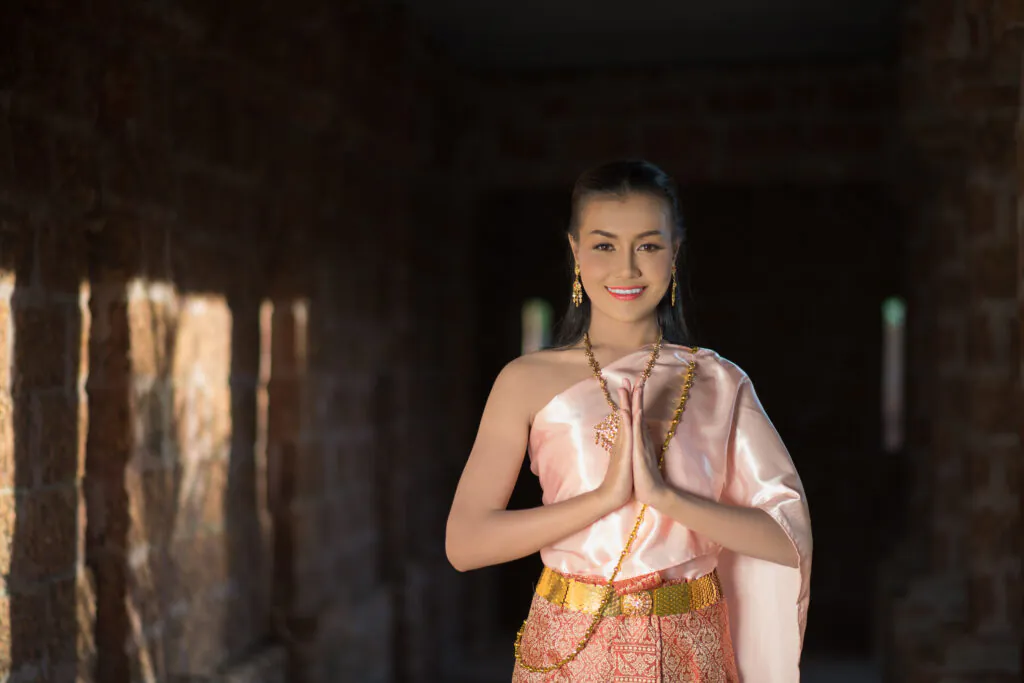
The official language of Thailand is Thai. In Phuket’s tourist areas, things are simple: English is spoken almost everywhere – in hotels, restaurants, shops, on tours, and in taxis. A smile and simple phrases are key.
Mini phrasebook (for every day):
Hello — sawasdee khrap/kha
Thank you — khop khun khrap/kha
How are you? — sabai dee mai?
How much is it? — rakha thao-rai?
Can I have the bill, please? — check bin, khrap/kha
Not spicy, please — mai phet, khrap/kha
Polite endings depend on gender: men say khrap, women say kha.
What you should know about the Thai language
The Thai language sounds soft and singsong, as if people were smiling while speaking. It’s tonal—the same word, pronounced with different intonations, can mean completely different things. There are five tones: mid, low, falling, high, and rising. Thais can engage in lively debates among themselves, but from an outsider’s perspective, their conversations can seem like singing.
There are other peculiarities, too. Men and women speak slightly differently: pronouns and polite particles differ. For example, men often say «pom,» while women say «chan.» Interestingly, the plural is formed simply by repetition: «children» becomes «child-child.»
Thais rarely raise their voices, so if you speak calmly, you’ll be understood even with an accent. The language, like Phuket itself, is soft, melodic, and friendly, as long as you don’t try to rush things.
2. What currency should I bring to Phuket?
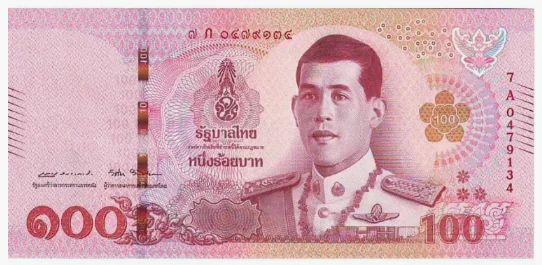
The country accepts only baht (THB). Russian bank cards don’t work in Thailand, so bring cash.
What to bring and how to exchange it
It’s best to bring USD or EUR and exchange it at exchange offices in tourist areas—they’re usually within walking distance of hotels. At the airport, you can exchange small amounts for minor expenses. Online exchange is permitted, but only through official services with transparent fees. No transfers to «private individuals.»
ATMs and Cards
Thai ATMs accept Visa, Mastercard, and UnionPay. Cards issued by non-Russian banks are also accepted. ATMs charge a fixed fee, and the final exchange rate depends on your bank.
Briefly about the exchange rate and budget
In 2025, the real exchange rate is around 32–35 THB per USD. Plan a basic budget of USD 50 per person per day, with hotel and breakfast already paid for.
Bills
Exchange offices are picky: crumpled, torn, or stamped bills will be exchanged at a worse rate or not accepted. Bring a full USD 50/100.
3. How to behave in temples in Phuket
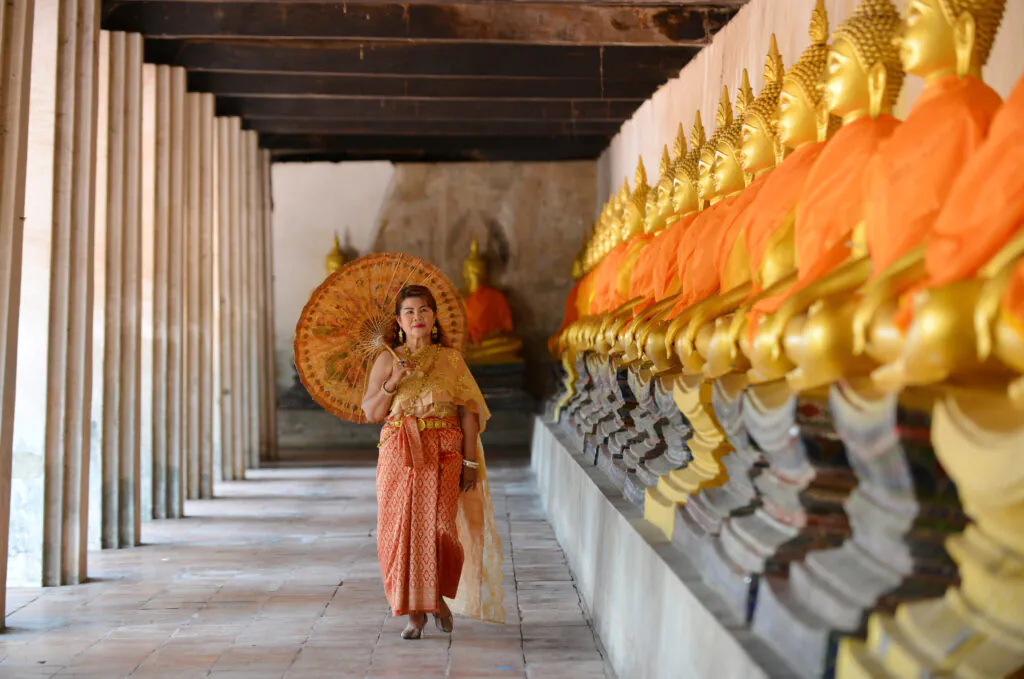
Thailand is a Theravada Buddhist country. Temples are everywhere, everyone is welcome, and basic rules of respect are important.
Short code:
- Cover your shoulders and knees, and remove your shoes at the entrance.
- Do not point your feet at Buddha statues or monks, and speak quietly.
- Women do not touch the monks, and objects are passed without contact.
- Photography is permitted only where expressly permitted.
- If you find yourself at the temple wearing beachwear, you may be offered a sarong for rent at the entrance for a nominal fee. Sometimes you’ll need to ask at the entrance.
Sai sin (สายสิญจน์).
Some temples may tie a blessing thread around your wrist—usually red or orange. You can politely decline, but if they accept, wear it until it unravels on its own or carefully remove it at home.
A brief overview of monastic life.
Monks are men who live on donations from parishioners, observe discipline, practice meditation, and typically eat before noon.
4. What to bring home
Food: Fresh fruit (mango, mangosteen, rambutan), dried mango and pineapple, cashews, curry pastes, spices, coconut oil.
Cosmetics and pharmacy: Creams and masks from 7-Eleven, Thai toothpastes, balms and «tiger» ointments, inhalers, spa oils. Clothing, accessories and technology: T-shirts and pants with images of elephants, silk scarves, items from international brands — Zara, Mango, H&M, Uniqlo, Apple technology.
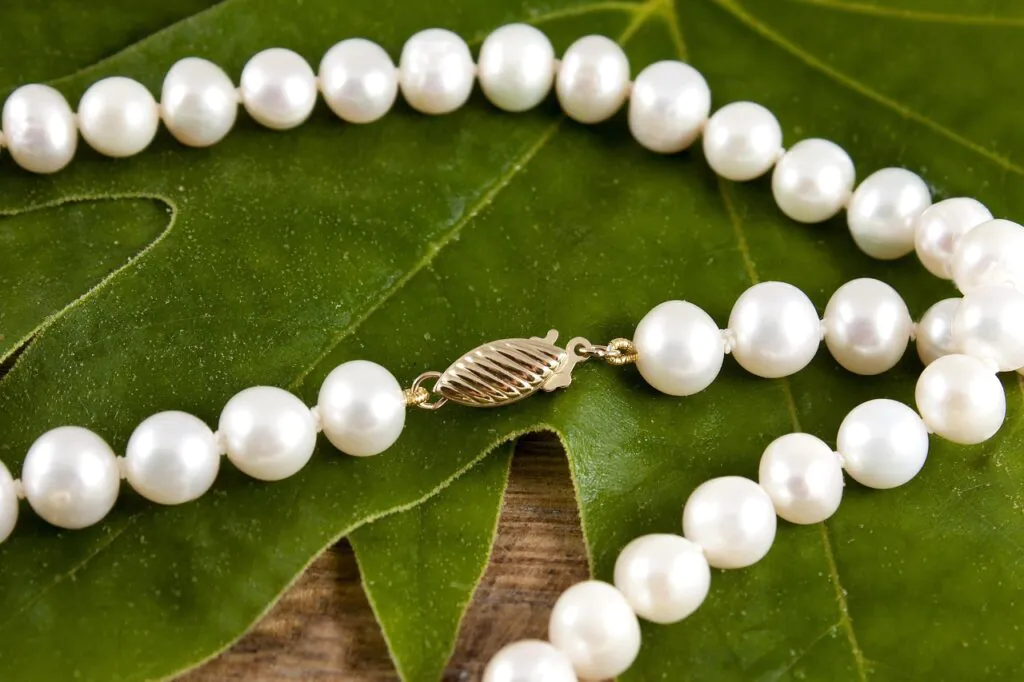
Important: Jewelry and leather goods can only be exported from Thailand with certificates. Shells, sand, and durian are prohibited.
VAT Refund: в магазинах с пометкой VAT Refund for Tourists оформляйте форму у продавца и возвращайте около 4–6 % НДС в аэропорту.
5. What to do in an emergency
Police — 191
Tourist Police (English) — 1155
Ambulance — 1669
Phuket has both public and private clinics of international standard. Insurance is mandatory: the medical care is excellent, and so are the bills.
6. Is it safe to drink tap water?
Don’t worry. 7-Elevens are everywhere, so buying bottled water is no problem. In hot weather, stay hydrated—always bring water, especially on excursions.
7. Where can I smoke?
The rules are strict. Smoking is prohibited at the airport and indoors, in shopping centers, on public transport, and in government buildings. A number of popular beaches are completely banned. E-cigarettes and vapes are prohibited by law. Smoking is permitted only in designated areas. Train stations and railway stations are subject to the same rules, but tourists rarely encounter them.
8. Why do people actually fly to Phuket?
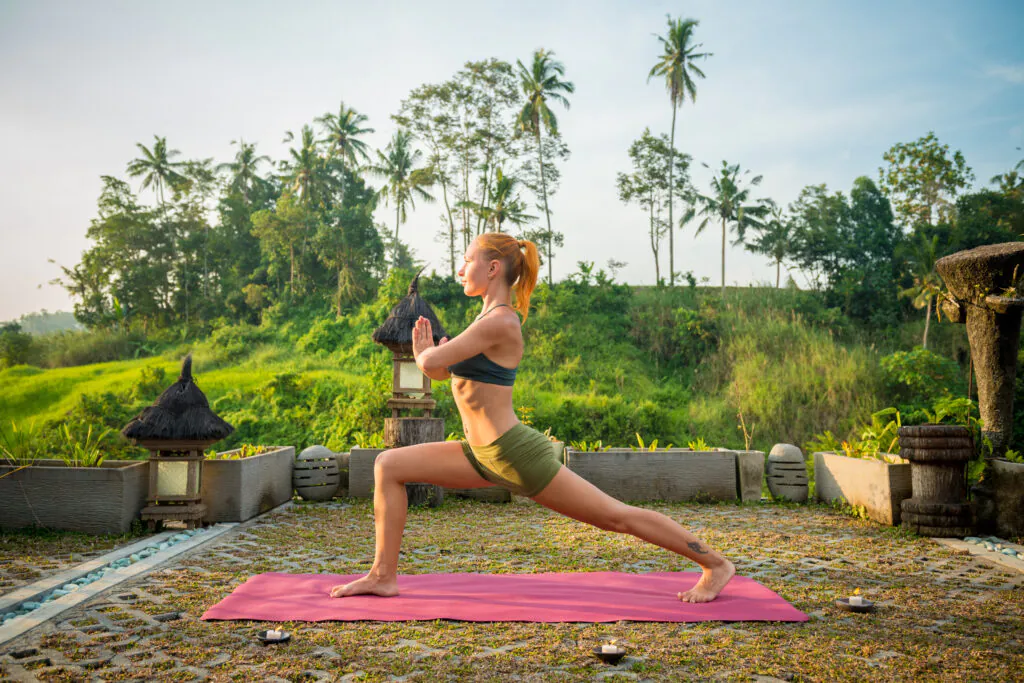
Phuket is diverse. By day, there’s yoga, Muy Thai, Pilates, jogging by the sea, and 3-14-day retreats. By night, there are bars, clubs, and long stories best left unsaid in a work chat. If you’re looking for peace and quiet, there are morning classes by the sea and sunset practices at the observation decks. For action, Bangla Road and the neighbors will show you the way. During high season, book in advance—places fly off the shelves faster than mangoes.
9. How much does a Thai massage cost?
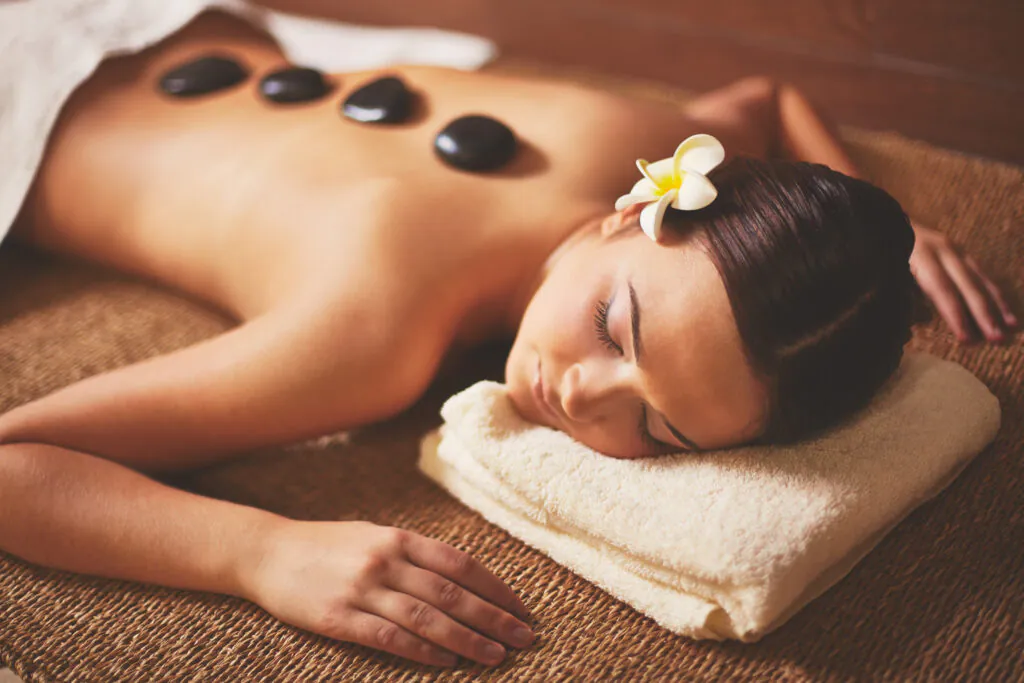
Guidelines: street or beach 300-400 THB, salons 500-800 THB, premium spas 1,200-2,500+ THB for 60-90 minutes. Certificates and hygiene are only available at reputable salons. These aren’t available on the street.
Of the premium options, we recommend Oasis Spa and Mukda Spa – quiet, clean, and no surprises.
Popular types of massage:
- Classic Thai massage. No oil, fully clothed. Stretching and deep tissue work.
- Foot massage. Feet and calves, sometimes with a stick. Helps after walking.
- Oil/aroma. Gentle and relaxing.
- Hot herbal compresses. Warming and relieving tension.
- Back/neck/shoulders. A quick fix for tightness.
- After-sun with aloe. Gentle after overexposure to the sun.
- Sport/Deep Tissue. For those who exercise.
10. Where to go with children and what to do
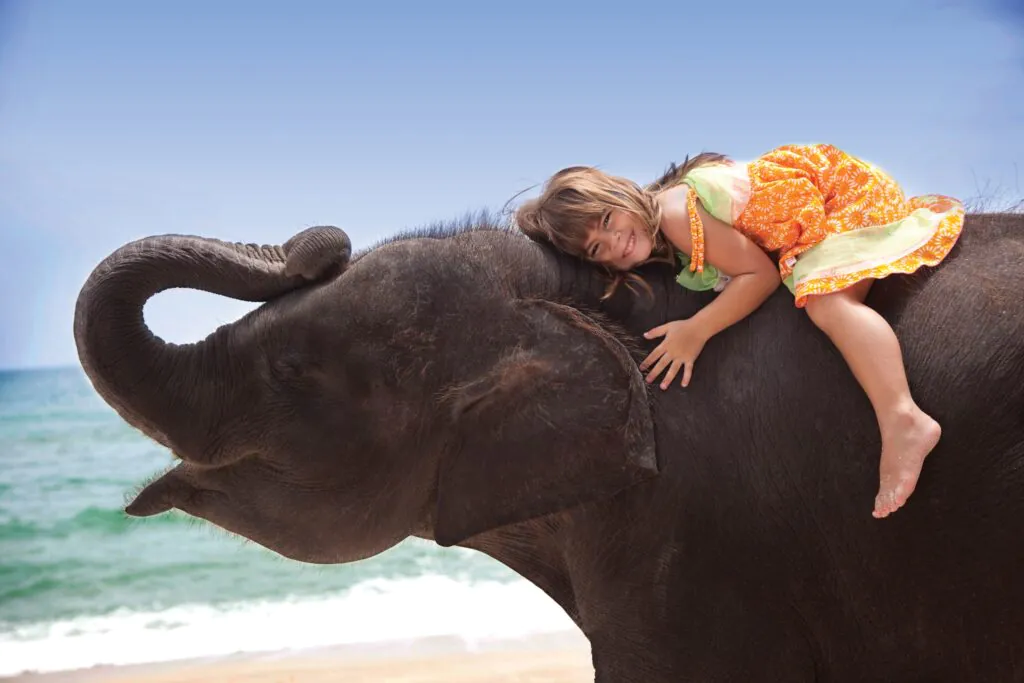
Entertainment and parks
- Water parks: Andamanda, Blue Tree.
- Dino Park — miniature golf and dino park decorations.
Show
- Phuket FantaSea — a large-scale evening performance.
- Phuket Dolphinarium — dolphin show.
Animals and parks
- Tiger Park and Lion Park are parks with big cats.
- Aquaria Phuket and Phuket Aquarium are aquariums.
Excursions to nearby islands
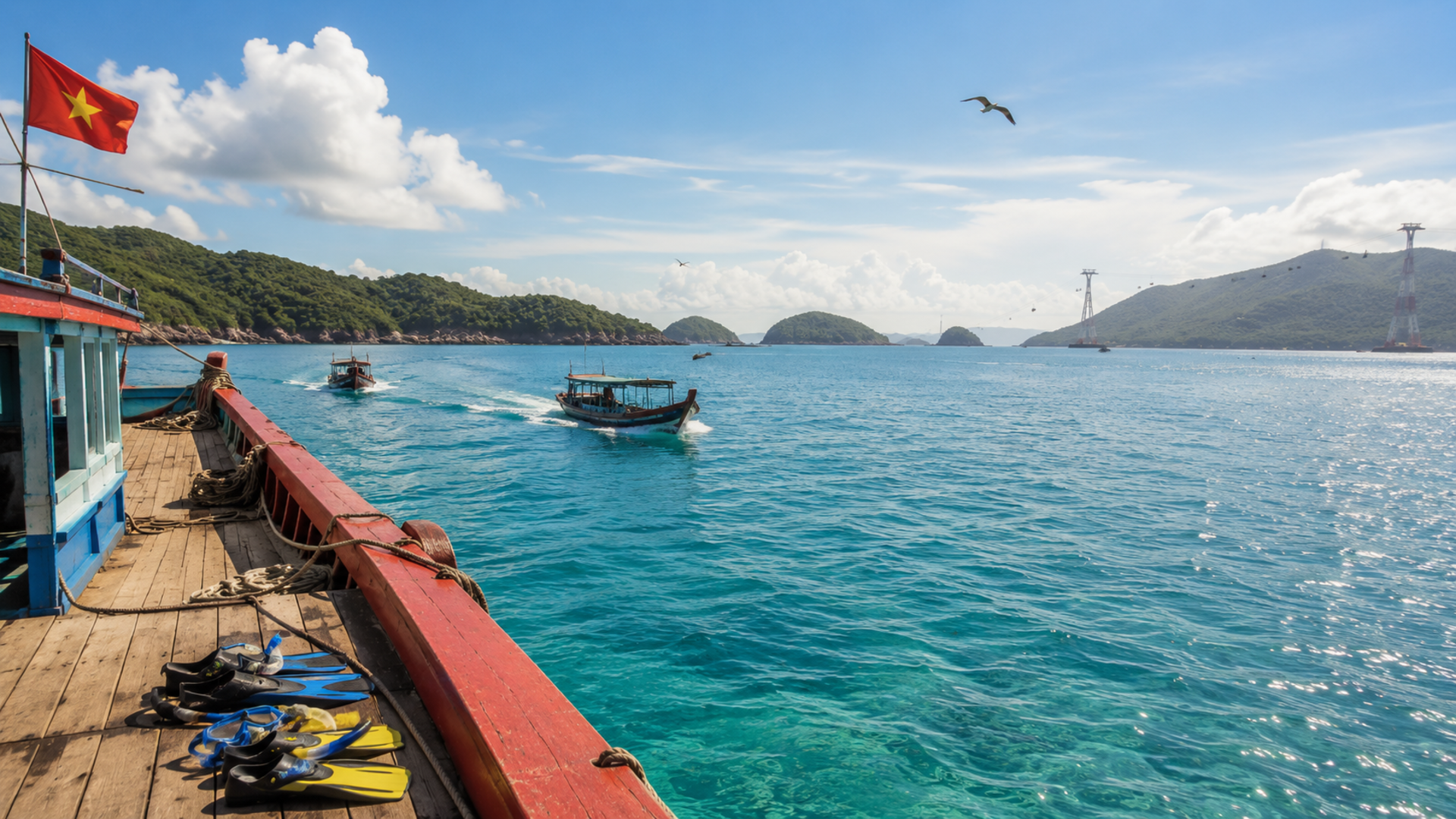
- Racha and Coral Islands offer easy access to the sea from the beach, for swimming and snorkeling.
Pre-flight checklist
- Insurance and copies of documents on your phone.
- SPF 50, a Panama hat or cap, and a light cape for churches.
- Cash in USD or EUR, clean bills (50/100).
- Offline translator with voice mode.
- If renting a vehicle, bring a license, helmet, and a clear head.